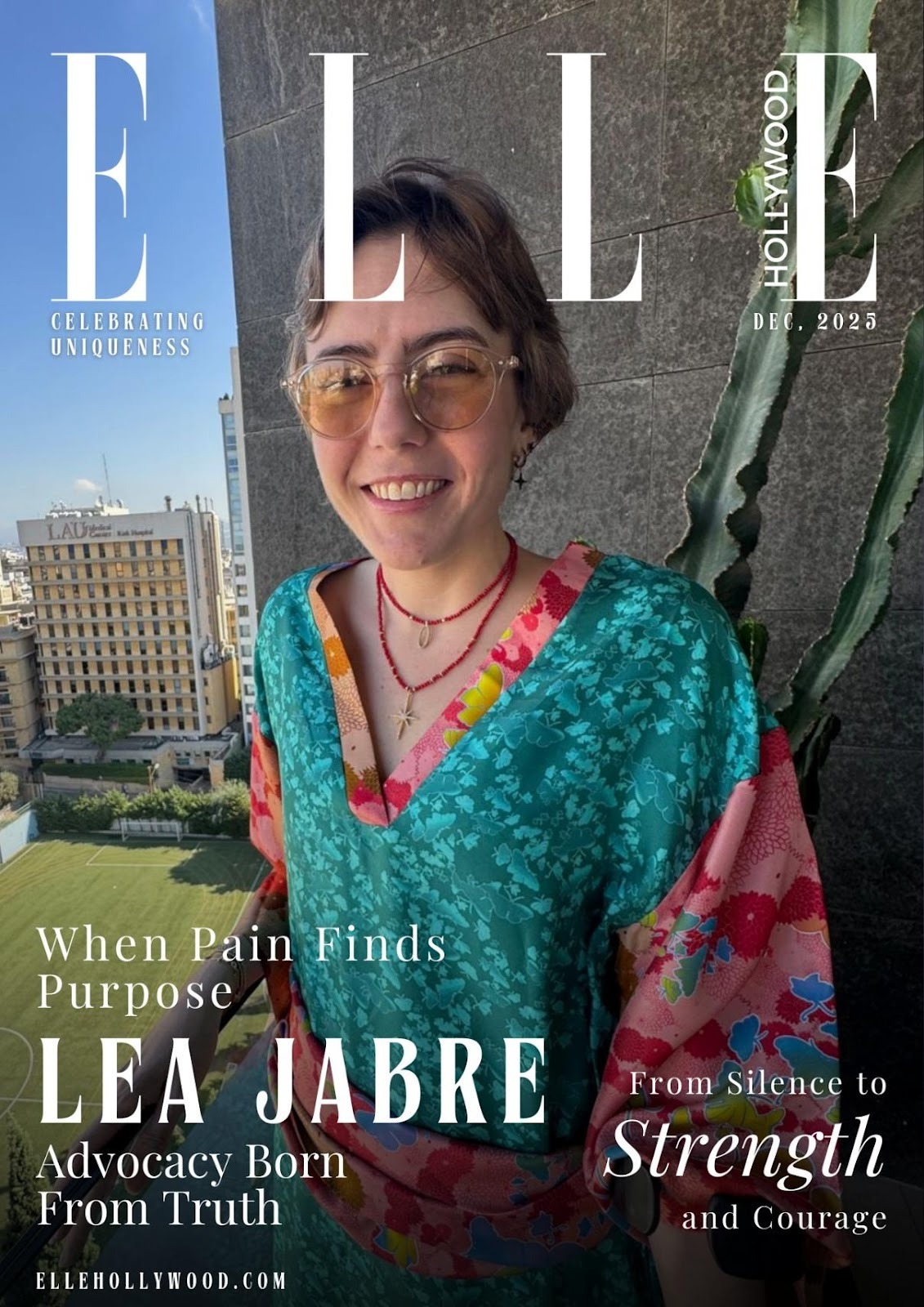
From Pain to Purpose: How Lea Jabre Turned a Rare Disease Diagnosis Into a Global Movement
A political writer’s unexpected pivot to rare disease advocacy is reshaping how the world understands Stiff Person Syndrome—one raw, unfiltered post at a time
Lea Jabre never planned to become the face of a rare neurological condition. With a master’s degree from University College London in International Public Policy and a career trajectory firmly rooted in Middle Eastern politics and journalism, her path seemed set. But life, as it often does, had other plans.
Today, Jabre stands at the intersection of personal struggle and global advocacy, transforming her diagnosis with Stiff Person Syndrome Disorders (SPSD) into a worldwide platform that’s caught the attention of both patients and medical professionals alike. Her Instagram community, “Bent Not Broken Autoimmune,” has become more than just a support group—it’s a beacon for thousands navigating the isolating waters of rare disease.
When Politics Meets Purpose
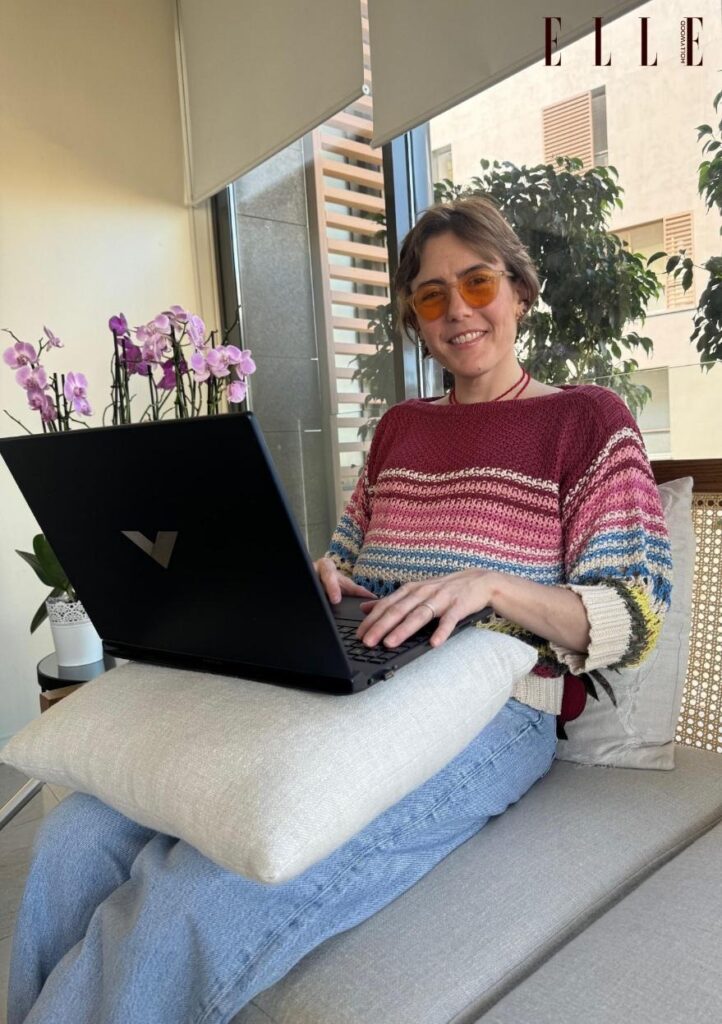
Jabre’s journey began far from the advocacy world. Born to Lebanese parents and raised in the European Union during its formative years, she developed a natural fascination with global affairs. Her academic pursuits at University College London led her first into political consulting and journalism, where her love for writing could flourish alongside her political interests.
The transition to the non-profit sector marked her first real introduction to advocacy work. As a director in the field, she championed neurodiversity and inclusion, learning the mechanisms of effective advocacy without yet knowing how deeply personal this work would become.
“I kind of became an advocate without really knowing what I was doing,” Jabre reflects on her early days after diagnosis. What started as a personal necessity slowly evolved into something much larger than herself.
The Unfiltered Approach That Changed Everything
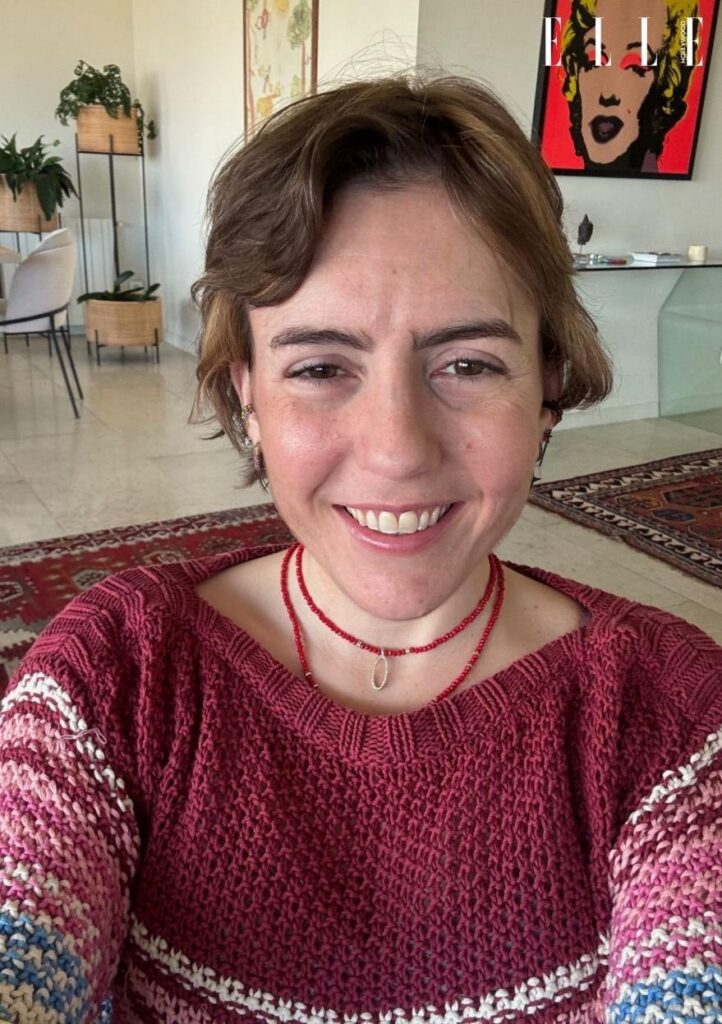
Months before Celine Dion’s public announcement about her own SPSD diagnosis sent shockwaves through the media, Jabre had already begun documenting her journey. Her first video, provocatively titled “If you’re not dancing something is wrong,” set the tone for what would become her signature approach: radical honesty.
“I really believe in sharing the real, the raw, the ugly, the truth and the beautiful moments,” she explains. “I never think twice about what I post because I never redo a video, nothing is ever really planned.”
This spontaneous authenticity has become her greatest strength. In an age of curated content and carefully crafted online personas, Jabre’s unfiltered glimpses into life with SPSD resonate precisely because they refuse to be polished. When Dion’s announcement brought sudden mainstream attention to the condition, Jabre’s platform exploded with interviews and media requests. Her page had already established its credibility by simply being real.
The medical community has taken notice too, recognizing “Bent Not Broken” as a reliable patient resource. Jabre has expanded her advocacy through collaborations with Rare Revolution Magazine and launched “Living with Stiff Person Syndrome Heart to Heart” on YouTube alongside Dr. Ilea Khan, whom she affectionately calls her “SPS Bestie.”
Redefining the Condition
One of Jabre’s key advocacy missions addresses a fundamental misconception about the condition itself. Stiff Person Syndrome is now more accurately called Stiff Person Syndrome Disorders—a shift that reflects the spectrum of severity and symptoms patients experience.
“I think today the only real misconception I would like to address regarding SPS is actually that it is now called SPSD,” she emphasizes. This rebranding isn’t mere semantics; it’s about recognition that the condition manifests differently across individuals, requiring more nuanced understanding and treatment approaches.
To reach a truly global audience, Jabre has begun keeping videos in their original languages with subtitles, breaking down the English-language barrier that so often limits rare disease advocacy. Her vision extends beyond a single platform—she’s building “Bent Not Broken” into a comprehensive name for anything related to SPSD, centralizing information and creating educational resources that benefit everyone in the community.
Bringing Light to Lebanon’s Youth
While navigating her own health challenges, Jabre hasn’t abandoned her commitment to broader social justice. This month, she’s launching Boukra Nour (Arabic for “Tomorrow’s Light”), a new NGO focused on Lebanon’s youth that combines her decade of non-profit experience with her deep personal connection to Lebanese heritage.
Co-founded with her longtime friend Georges, whom she met at 19, and a prominent Lebanese lawyer, Boukra Nour officially launches with a press conference on December 28th. The organization’s mission tackles youth empowerment and trauma healing head-on, using globally recognized therapeutic tools to help young people overcome social and psychological wounds.
The NGO’s ambitious scope includes training programs for educators and social workers on trauma-informed care and child protection, tech-enabled facilities for case management, and remote employment opportunities that offer economic stability without geographic constraints. Strategic partnerships with local NGOs, ministries, and municipalities ensure the work remains community-rooted while maximizing impact.
“We are committed to upholding human dignity by empowering youth, supporting healing, and fostering environments that nurture personal growth and emotional resilience,” Jabre states, outlining the organization’s foundational philosophy.
Writing as Medicine
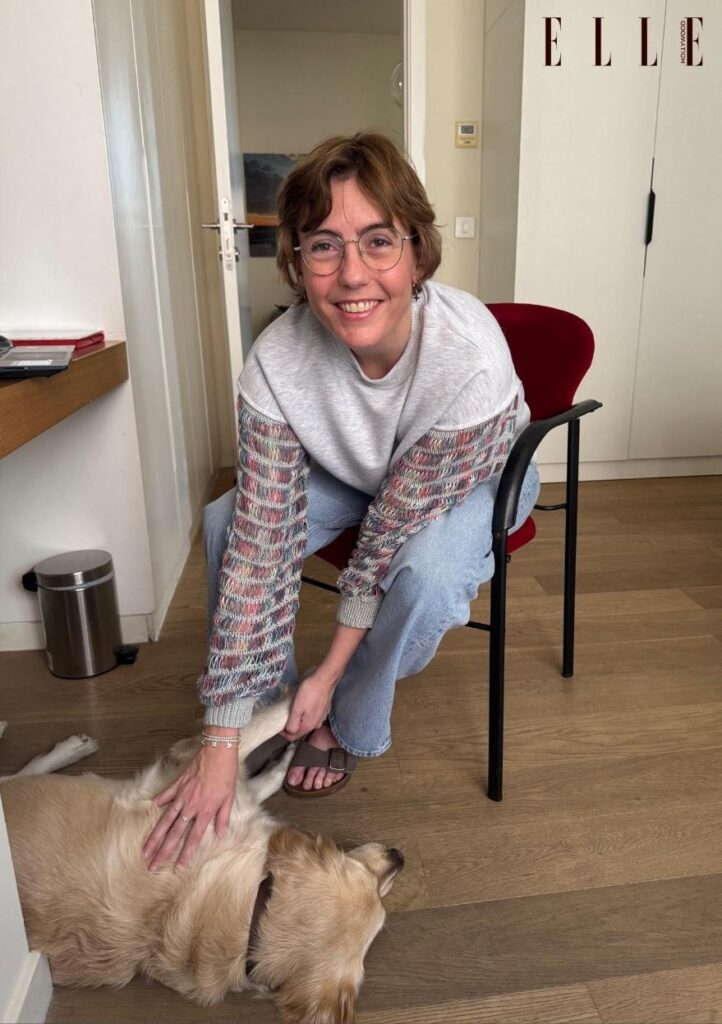
Throughout her multifaceted journey, one tool has remained constant: writing. For Jabre, words serve as more than communication—they’re therapy, processing, and transformation all at once.
“Writing is one of the most therapeutic tools for growth, grief, processing emotions and letting go of them as well as working towards acceptance,” she says. Whether crafting advocacy posts, conducting interviews, or working on her passion project—a fiction novel—writing provides the healing framework she needs to navigate her complex reality.
The yet-to-be-published novel represents perhaps her most personal ambition. “For me getting my fiction novel published would be my biggest and proudest life achievement,” she admits. In many ways, this creative pursuit circles back to where everything began: a writer who found her voice, lost it to illness, and reclaimed it with even greater purpose.
The Sky Is Not the Limit
When asked about her future goals, Jabre’s response reflects the boundless optimism that defines her advocacy: “Even the sky is not the limit—they can keep growing and the aim is to help more people and centralize information to give people more knowledge from everyone to everyone.”
This philosophy of shared knowledge and mutual support encapsulates what makes her work resonate. She’s not positioning herself as an expert above her community but as a fellow traveler who’s learned to navigate treacherous terrain and wants to light the way for others.
From University College London’s halls to hospital rooms, from political journalism to patient advocacy, from Lebanon’s challenges to global rare disease awareness, Lea Jabre’s journey defies simple categorization. She is bent by circumstance but unbroken in spirit—living proof that sometimes the detours life forces upon us lead to exactly where we’re meant to be.
Her story reminds us that advocacy doesn’t always announce itself with trumpets and fanfare. Sometimes it begins with a single unpolished video, a willingness to be vulnerable, and the recognition that our greatest struggles can become our most powerful platforms for change. In Jabre’s case, that platform is still expanding, still evolving, and showing no signs of slowing down.
As she works toward publishing her novel, launching Boukra Nour, and continuing to expand her rare disease advocacy, one thing remains clear: Lea Jabre has transformed personal pain into collective purpose, and in doing so, she’s redefining what it means to live—fully, authentically, and unbowed—with a rare disease.